Remote Education
at John Taylor Free School
Supporting Learning at Home
At John Taylor Free School, we aim to ensure that students can continue their learning if they are unable to attend school in person. Our approach to remote education is designed to be clear, structured and supportive, helping students stay engaged and keep their learning on track.
As a research‑informed school, we focus on the quality of learning rather than the method of delivery. This means remote learning is planned carefully to ensure students are supported as effectively as possible.
When remote education is used
Remote education may be used when a student is unable to attend school in person, such as during short‑term illness or other exceptional circumstances.
In these situations, we aim to minimise disruption and help students stay connected to their usual curriculum.
How remote learning works
Remote learning is planned to reflect the structure of classroom lessons and support students in building knowledge over time.
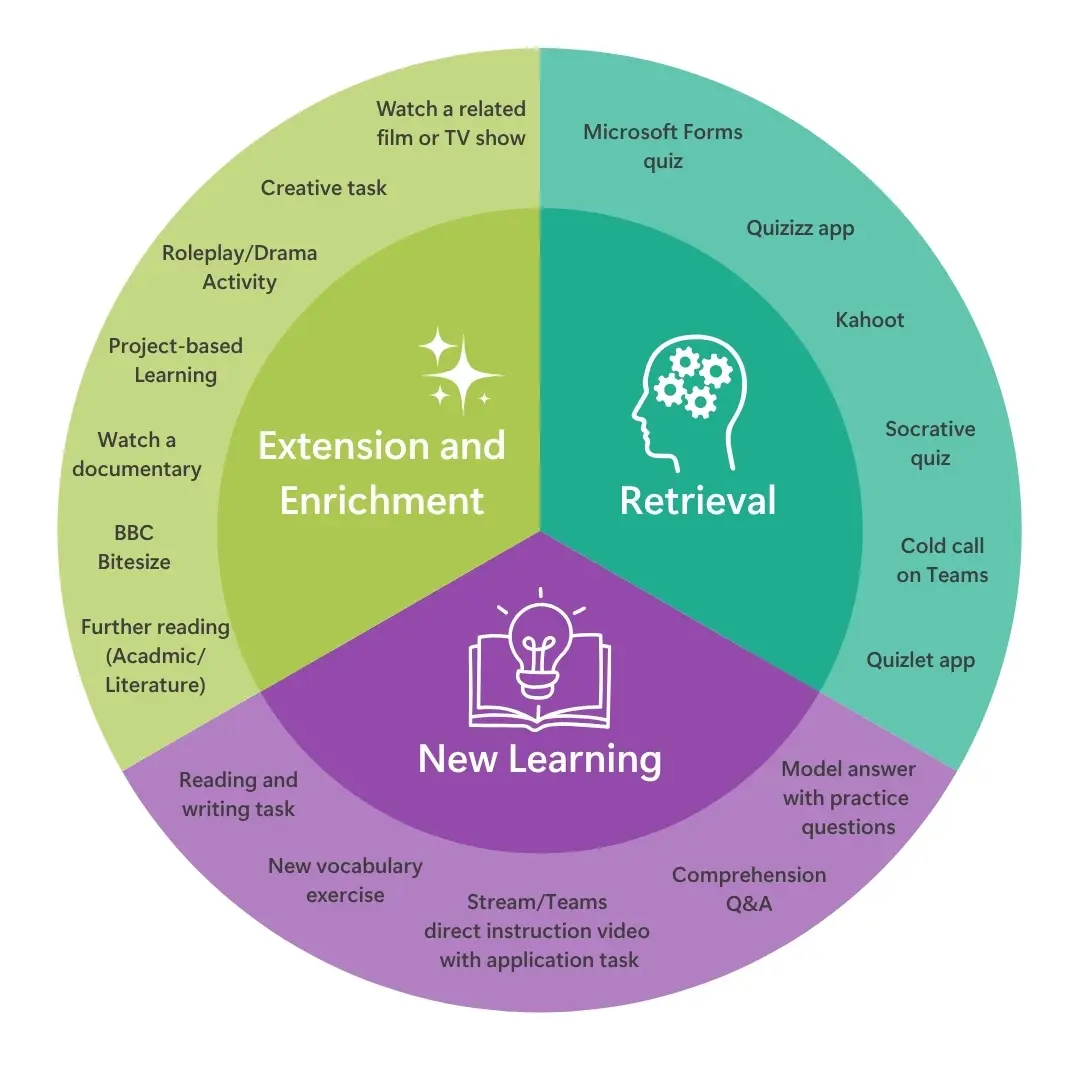
Work is typically organised around three key elements:
Retrieval
Revisiting previous learning to strengthen understanding
New Learning
Engaging with new content from the curriculum
Extension and Enrichment
Optional activities to extend thinking and deepen understanding
Remote Learning Guidance
The resources below provide additional guidance to help students and families approach remote learning effectively and make the most of learning from home. Some documents may be updated periodically. If you are unsure about any aspect of remote learning, please contact the school for advice.
Contact for Remote Education
If you have any questions about remote education or need additional support, please contact Ms E Pugh, who leads on remote learning at John Taylor Free School.
We encourage students and families to get in touch early if support is needed so that learning can continue effectively.