Literacy
at John Taylor Free School
Supporting every student to read, write and communicate with confidence
At John Taylor Free School, we believe that literacy is one of the most important skills a young person develops during their time at school.
Being able to read confidently, understand challenging texts, communicate ideas clearly and write effectively helps students succeed not only in English, but across every subject. Strong literacy also gives young people greater independence and helps prepare them for further education, employment and life beyond school.
Our students join us with a wide range of reading and writing experiences. Some students are already confident readers, while others need additional support to develop their reading fluency, vocabulary or written communication. Our aim is to ensure that every student receives the support and opportunities they need to become a confident reader, writer and communicator.
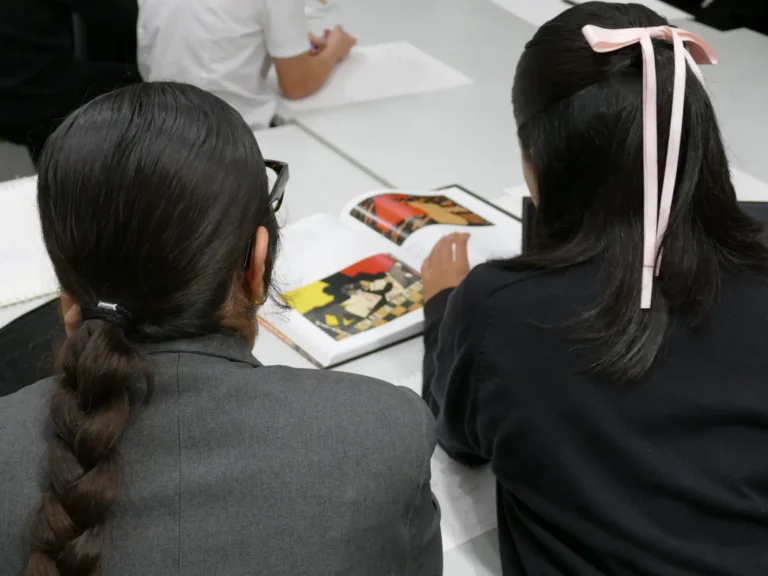
Reading is at the Heart of Our Curriculum
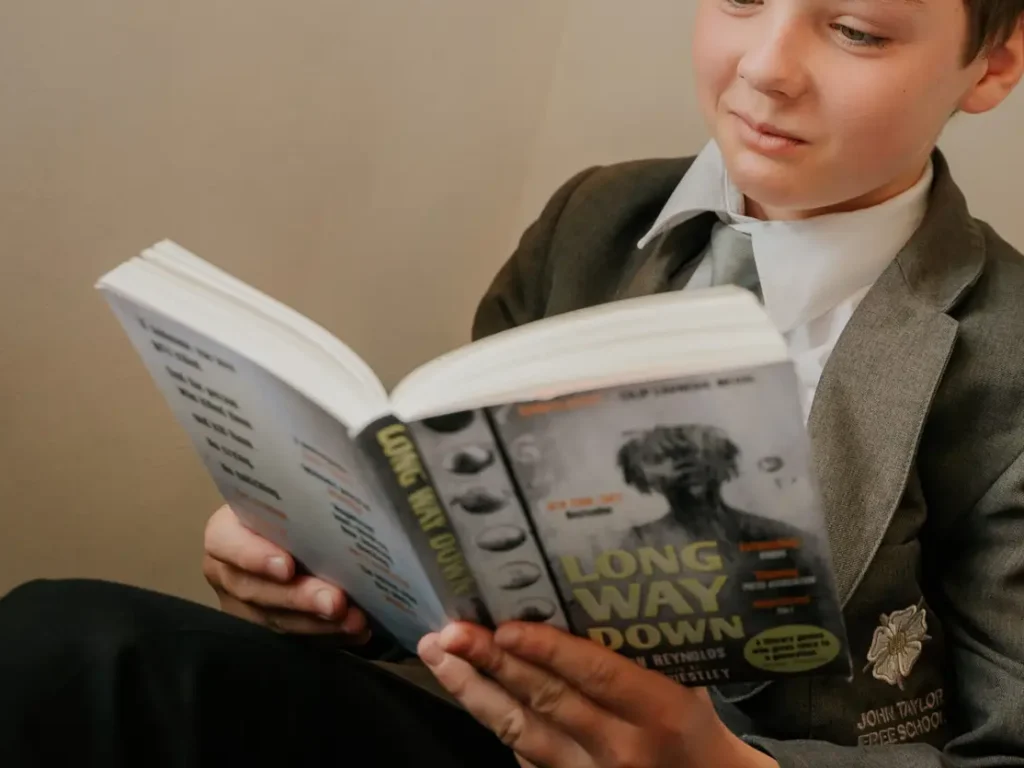
We want every student to develop a genuine love of reading as well as the skills needed to read successfully.
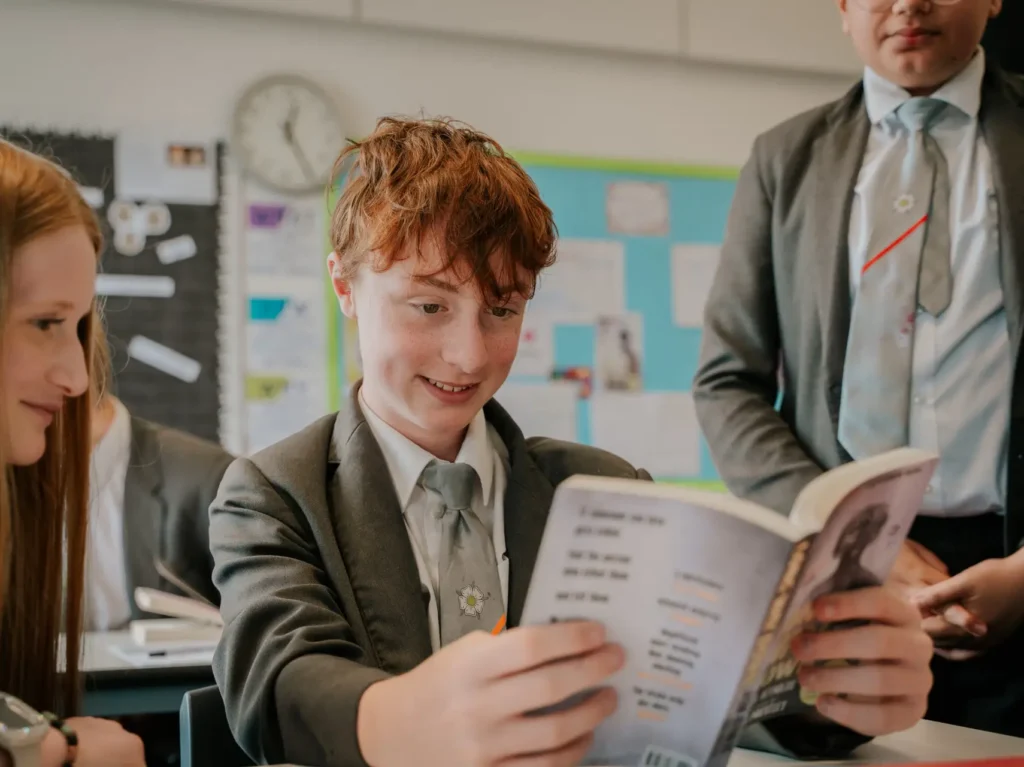
Students have dedicated opportunities to read throughout the school week. This includes reading within English lessons, Personal Tutor time and across different subjects. Our approach gives students regular opportunities to encounter a wide range of interesting, challenging and age-appropriate texts.
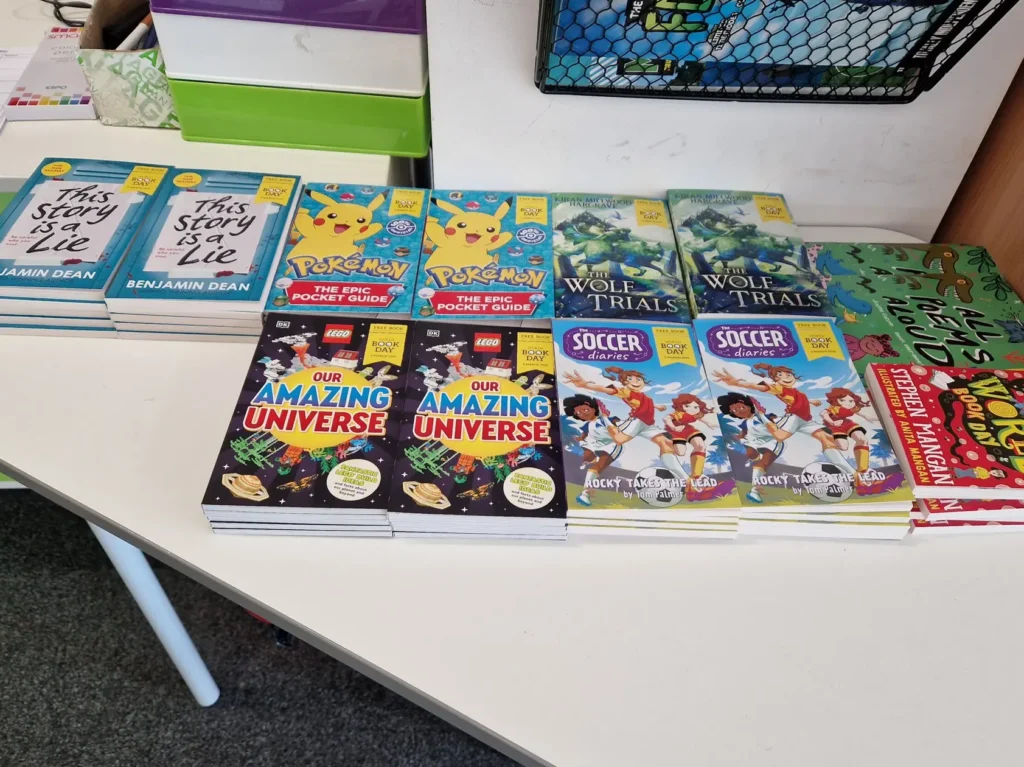
Our Learning Resource Centre (LRC) plays an important role in this. Students are encouraged to visit, browse and borrow books, and we provide reading recommendations linked to students’ interests as well as the subjects they study.
We also run activities and events designed to make reading enjoyable, including competitions, author visits and other reading and writing enrichment opportunities.
Why Does Reading Matter So Much?
Reading regularly helps students to:
- Expand their vocabulary
- Improve comprehension and understanding
- Become more confident and fluent readers
- Access challenging material across the curriculum
- Develop knowledge of the wider world
- Communicate their ideas more effectively
Importantly, reading does not stop being important when students leave primary school. Secondary school texts become increasingly demanding, and students need to develop the ability to understand subject-specific language and more complex ideas.
Literacy Happens in Every Subject
Literacy is not just the responsibility of the English department. Every subject has its own specialist vocabulary, ways of communicating and approaches to reading and writing:
Geography
Understanding subject-specific vocabulary and explaining processes clearly.
History
Reading sources and constructing well-evidenced arguments.
Science
Understanding technical terminology and communicating scientific ideas accurately.
For this reason, teachers across the school explicitly teach the vocabulary, reading and writing skills that students need within their subjects. We call this disciplinary literacy – helping students to become confident readers, writers and communicators in every subject they study.
Students are taught important subject-specific vocabulary and are supported to understand not only how words are pronounced and spelled, but what they mean and how they are used.
Learning Organisers and keyword glossaries provide students with access to the language of each subject, helping them build knowledge and use increasingly sophisticated vocabulary with confidence.
Supporting Students Who Need Additional Help
We recognise that some students require additional support with reading or writing.
We regularly assess students’ literacy skills so that we can identify those who may benefit from additional support and monitor progress over time. This information helps teachers adapt their classroom practice and ensure the right support is in place for individual students.
Support may include classroom adaptations, additional reading support, specialist intervention programmes or targeted help with writing skills. Our approach is carefully graduated to ensure that students receive the level of support most appropriate to their needs.
Classroom Support
Teachers adapt their teaching to meet students’ individual needs through modelling, scaffolding, vocabulary support and opportunities for guided reading and writing.
Additional Reading Support
Students who require additional help may work with reading mentors, Learning Support Assistants or specialist staff through small-group or individual support sessions.
Specialist Programmes
Some students may access more intensive programmes focusing on phonics, decoding, reading fluency, comprehension and vocabulary development.
Writing Support
Additional support is available for students who need help with handwriting, spelling, sentence construction, organisation and written communication.
Helping Students Become Confident Writers
Writing is another important part of our literacy strategy. Across the curriculum, students are taught how to approach increasingly complex writing tasks. Teachers model effective writing and break larger tasks into manageable steps.
Students may be supported through:
- sentence starters
- writing frames
- planning and mind-mapping
- teacher modelling
- shared writing
- opportunities to redraft and improve their work
- explicit teaching of spelling, punctuation and grammar
Over time, our aim is for students to become increasingly independent and confident writers who can communicate their ideas accurately and effectively.
How Can Parents and Carers Help?
You do not need to be a literacy expert to make a difference.
One of the most valuable things you can do is encourage your child to read regularly. This could include reading novels, magazines, newspapers, non-fiction texts or trusted online content linked to their interests and hobbies.
Talking about what your child reads is just as valuable as the reading itself. Conversations help young people develop their vocabulary, deepen their understanding and learn how to express their ideas clearly.
Try asking:
- What is this about?
- What have you learned?
- What does that word mean?
- What do you think will happen next?
- Would you recommend this book? Why?
Talking about what your child reads is just as valuable as the reading itself. Conversations help children develop their vocabulary, understanding and ability to express their ideas.
Reading Together Still Matters
As children become teenagers, it can be tempting to assume that they no longer need support with reading. However, secondary school texts become progressively more challenging and students continue to benefit from encouragement and discussion at home.
Even if your child is a confident independent reader, you can still support them by talking about books, articles and topics they encounter in everyday life. Showing an interest in what they are reading helps reinforce the importance of reading and encourages wider discussion.
Reading for pleasure should be enjoyable rather than a chore. Helping your child find books, authors and topics that genuinely interest them can make a significant difference to their confidence and engagement.
Our Shared Goal
Every student should leave John Taylor Free School able to read confidently, write effectively and communicate their ideas clearly.
We want our students to develop the literacy skills they need to succeed across the curriculum, pursue their ambitions and participate confidently in the wider world.
School and home working together can make a significant difference, and we thank families for supporting their child’s reading, writing and communication development.